Non-Surgical Calf Augmentation with alloClae® in Kirkland & Bellevue

Non-Surgical Calf Augmentation with alloClae® in Kirkland & Bellevue

Procedure Time 45 to 60 minutes
Recovery Time 24 to 48 hours back to routine

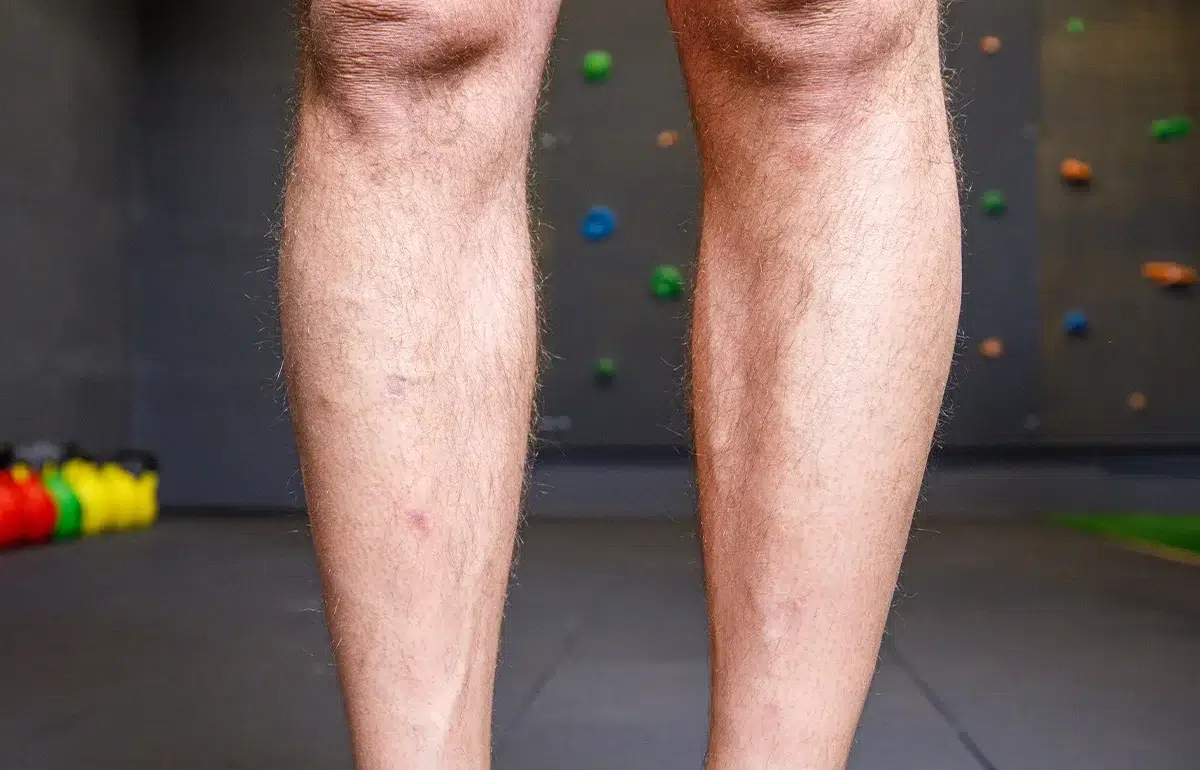
People usually have thin calves due to genetics. Some train their legs for years and still see little to no change below the knee. Others have one calf that looks smaller compared to the other due to an injury.

Until recently, the two main solutions were calf implants or fat transfer. Implants mean surgery and a few weeks of limited walking. Fat transfer needs liposuction and enough spare fat to move, which leaves out many slim patients.

For patients looking for a third option, Non-Surgical Calf Augmentation with alloClae® adds volume without surgery or liposuction. Here, patients are injected with fat that has been donated and placed along the calf through a small cannula using local numbing.

The Gallery of Cosmetic Surgery offers alloClae® Calf Augmentation in Kirkland through board-certified plastic surgeons with years of experience in body contouring procedures.
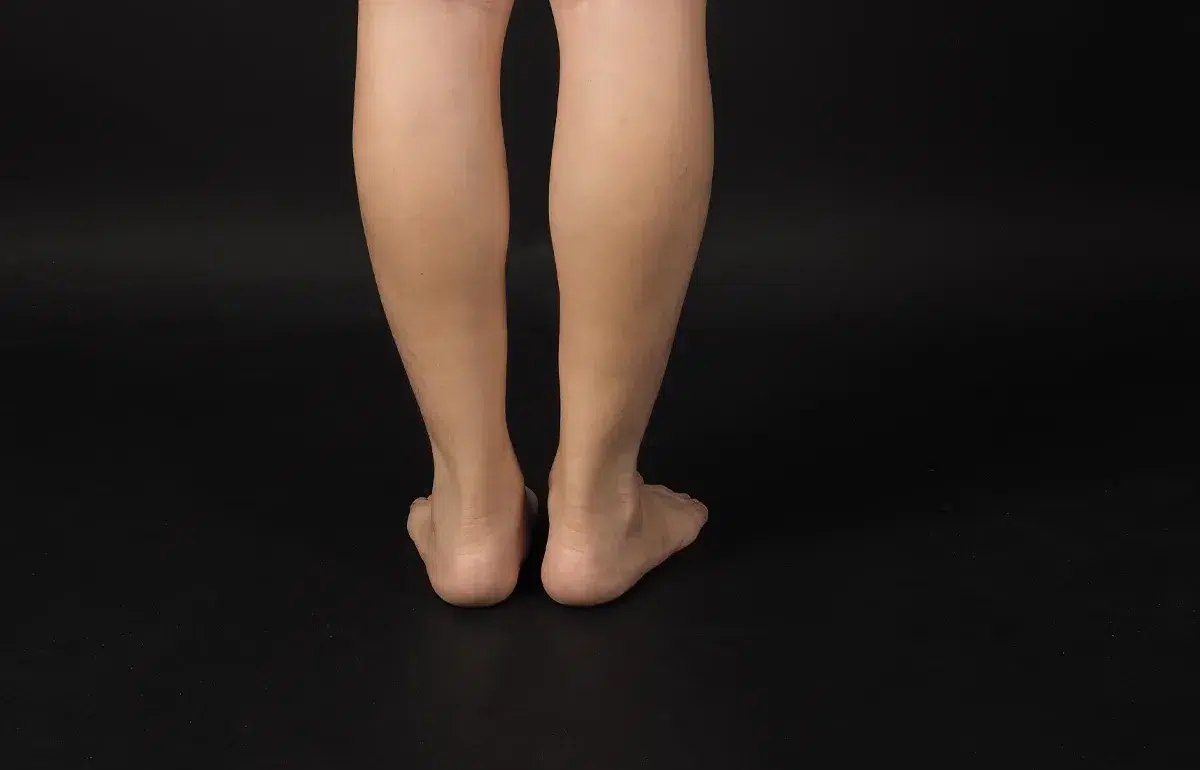
What Is Non-Surgical Calf Augmentation with alloClae®?

What Is Non-Surgical Calf Augmentation with alloClae®?

It is a filler treatment that adds volume to the lower leg. Instead of a silicone implant or your own fat, the filler is alloClae®, an allograft adipose matrix. In simple terms, it is donated human fat that has been screened and processed so the living cells are removed but the natural framework of the fat is kept. That framework is what gives fat its soft feel and lets it hold shape.

After placement, your own cells grow into the matrix over the next few weeks, and it settles in much like your own fat. alloClae® Calf Injections work a lot like a fat transfer, except the fat arrives ready to use. Nothing is taken from your abdomen, flanks, or thighs, so the calves are the only area that needs to heal.

The treatment is done in the office. You stay awake, the area is numbed, and you walk out the same day.

alloClae® vs. Fat Transfer, Implants, and Filler for Calf Augmentation

alloClae® Fat Transfer Calf Implants Hyaluronic Acid Filler
Material Processed donor fat matrix Your own fat from liposuction Solid silicone Synthetic gel
Surgery No Yes Yes No
Anesthesia Local IV sedation or general General Local
Donor site None Yes None None
Shape control Placed in small amounts Placed in small amounts Fixed implant shape Placed in small amounts
Feel Like your own tissue Like your own tissue Firm Gel, can feel firm
How long it lasts Meant to integrate and stay Long-lasting, some fat loss over time Permanent device 12 to 18 months
Downtime 24 to 48 hours One to two weeks or more Two to four weeks of limited walking A day or two
Best for Patients who want a natural curve without surgery Patients with enough fat to spare Patients who want a large, permanent change Patients who want a short-term trial of added volume

Calf implants suit patients who want a large, permanent change, but they involve surgery in a tight area of the leg and a slow return to walking. Hyaluronic acid needs a lot of product in the calf and does not last. alloClae® Calf Enhancement sits in the middle: real tissue, no surgery, and a result meant to stay.

What Can alloClae® Do for Thin or Uneven Calves?

At The Gallery of Cosmetic Surgery, calf treatment is about proportion, not bulk. With careful placement, alloClae® Calf Contouring can:

  • Add fullness to the inner or outer calf so the leg has a gentle curve
  • Give shape to a calf that stays thin no matter how much you train
  • Balance one calf against the other after an injury or surgery
  • Soften the sharp step from the calf down to the ankle
  • Fill small dents or hollows left by an old injury or past procedure
  • Bring the lower leg into proportion with the thighs

Because the filler is placed in small amounts, your surgeon decides where each cc goes and can stop as soon as the outline looks right.

What Can alloClae® Do for Thin or Uneven Calves?
Who Is a Good Candidate for Non-Surgical Calf Augmentation?

Who Is a Good Candidate for Non-Surgical Hip Dip Treatment?

Patients asking about alloClae® Calf Augmentation Kirkland treatment tend to have a few things in common. You may be a good fit if you:

  • Have calves that stay thin despite regular leg training
  • Have one calf that is visibly smaller than the other
  • Want a natural curve, not a bodybuilder look
  • Are slim and do not have enough fat for a surgical transfer
  • Want to avoid implants, general anesthesia, and weeks on crutches
  • Need a recovery that fits around work and daily life

Good circulation in the legs, a stable weight, and realistic goals help the result hold. A consultation confirms whether alloClae® is the right choice or whether another option would work better for you.

How Does the alloClae® Calf Procedure Work?

Here is what to expect on the day of your alloClae® Calf Volume Enhancement:

  1. Consultation: Your surgeon looks at your calves from the front, back, and side, checks skin quality, and compares both legs.
  2. Mapping: The areas that need volume are marked on the skin while you stand. The number of cc per leg is agreed on before anything starts.
  3. Numbing: Topical cream and local anesthetic keep you comfortable.
  4. Placement: A fine cannula layers the filler beneath the skin through one or two small entry points per leg. Your surgeon checks the shape with you standing and flexing as the work goes on.
  5. Final check: Both legs are compared, the edges are smoothed, and you leave with written aftercare instructions.

There are no incisions, drains, or stitches. You walk out the same day.

How Does the alloClae® Calf Procedure Work?

Benefits of Treating the Calves with alloClae®

Walk out the same day

Calf implant surgery can mean weeks of limited walking. With alloClae®, most patients walk normally right after the visit.

Only one area to heal

A fat transfer leaves a bruised donor site. Here, there is no harvest, so the calves are the only area that needs to recover.

No general anesthesia

Everything happens in the office with local numbing. That means lower cost and no groggy afternoon.

Soft, natural feel

The calf moves with every step. A firm implant can show its edges on a slim leg. alloClae® is fat tissue, so it flexes and feels like the tissue around it.

Each leg is treated on its own

If one calf is smaller, that side gets more. There is no fixed implant shape that has to fit both legs.

How Much Does alloClae® Calf Augmentation Cost?

The cost of alloClae® Calf Augmentation Kirkland at The Gallery of Cosmetic Surgery starts at $400 per cc with a 4 cc minimum. The calves usually need a moderate amount of filler, and the total depends on whether one leg or both are treated and how much shape you want.

Volume (Both Legs) Estimated Cost
40 cc $4,000
60 cc $6,000
80 cc $8,000
120 cc $12,000

The cost of alloClae® Calf Augmentation Bellevue for one calf may be lower compared to both legs. The final cost will be set by your surgeon after a thorough consultation. Since the procedure is done in clinic, there are no anesthesia fees or operating cost.

Recovery After alloClae® Calf Treatment

Recovery After alloClae® Calf Treatment

The first two days

  • Mild swelling and tenderness around the entry points
  • Light bruising is common
  • Over-the-counter pain relief is usually enough
  • Walking is fine, but keep it light

Getting back to routine

  • Most patients return to desk work within 24 to 48 hours
  • Avoid tight boots or anything that presses on the calf for the first few days
  • Running, jumping, and heavy leg training wait until your surgeon clears you
  • Swelling settles over two to four weeks, and the final shape shows through

Non-Surgical Calf Augmentation in Kirkland and Bellevue

The Gallery of Cosmetic Surgery serves patients across the Eastside. If you are looking into Non-Surgical Calf Augmentation Kirkland options, the office is a short drive, and patients from Redmond, Woodinville, and Mercer Island visit regularly as well.

For anyone comparing providers in Bellevue, the practice offers a surgeon-led plan without a trip to a hospital or surgery center. Those searching for Non-Surgical Calf Augmentation Bellevue get the same board-certified surgeons guiding every consultation, with a plan built around the shape of your legs rather than a one-size approach.

Non-Surgical Calf Augmentation in Kirkland and Bellevue
Why Choose The Gallery of Cosmetic Surgery?

Why Choose The Gallery of Cosmetic Surgery?

  • Board-certified surgeons perform every treatment, not an injector working from a template
  • Years of body contouring experience, which matters in an area as visible as the lower leg
  • Honest advice on whether alloClae® for Calf Augmentation is the right fit or whether another option would serve you better
  • Clear per-cc pricing with no hidden facility fees
  • One Eastside location convenient to Kirkland, Bellevue, and nearby cities

Meet Your alloClae® Calf Surgeons

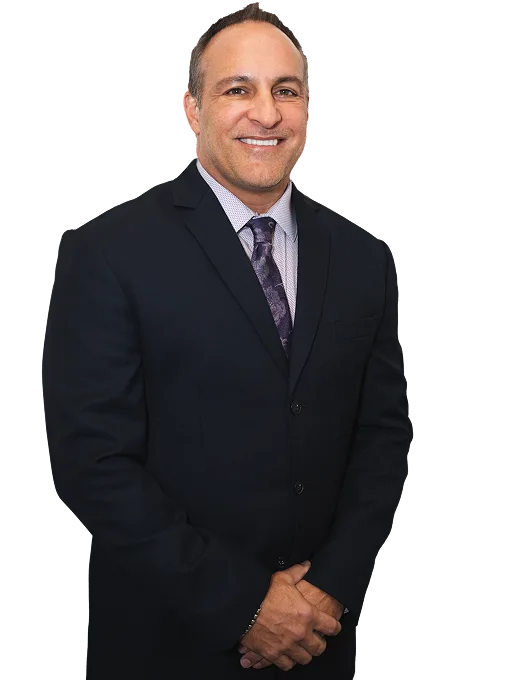
Dr. Craig Jonov

Dr. Craig Jonov is a board-certified cosmetic surgeon and the founder of The Gallery of Cosmetic Surgery. He has spent decades focused on cosmetic procedures of the face and body, and that experience shows in how he plans alloClae® treatments. For the calves, he looks at the whole leg, from the knee to the ankle, and places volume where it brings the leg into proportion rather than simply making it bigger. Patients value his straightforward advice and his habit of showing results on legs that looked like theirs before treatment.

Board Certified: American Board of Cosmetic Surgery

Dr. Rajasekhar Nalluri

Dr. Rajasekhar Nalluri is known for careful planning and for walking patients through every option, including when a non-surgical treatment is the right path and when surgery would give a better result. His attention to symmetry suits calf patients, since uneven legs are one of the most common reasons people seek this treatment. Dr. Nalluri gives Eastside patients one place to weigh alloClae®, fat transfer, and implants side by side before deciding.

Board Certified: American Board of Plastic Surgery

Schedule Your alloClae® Calf Consultation

If you are tired of training legs with nothing to show for it, or you have one calf that never matched the other, a consultation is the next step. Contact The Gallery of Cosmetic Surgery by booking online to find out whether alloClae® Calf Augmentation Bellevue treatment is the right fit for you.

FAQs

Can alloClae® fix one calf that is smaller than the other?

Yes. Each leg is treated on its own, so the smaller calf can receive more filler to match the other side.

Will I be able to walk after the treatment?

Yes. Most patients walk out of the office and move around normally the same day. Running and heavy leg workouts wait until you are cleared.

How long before I can go back to the gym?

Light activity is fine within a day or two. Most surgeons ask you to hold off on running, jumping, and lower-body training for about one to two weeks.

Does alloClae® in the calves feel firm?

No. It is fat tissue, so it stays soft and moves with the muscle. It does not feel like an implant.

How many cc do calves usually need?

It varies with your leg and goals. Matching one smaller calf may take 20 to 30 cc. Adding shape to both legs often takes 60 cc or more. Your surgeon sets the number at your consultation.

Is this better than calf implants?

It depends on your goal. Implants give a larger, permanent change but require surgery and weeks of limited walking. alloClae® gives a softer, more natural change with almost no downtime.

Can alloClae® be used with other leg treatments?

Often, yes. Some patients pair it with thigh contouring or use it to top up an earlier fat transfer. Your surgeon advises on timing.

Is alloClae® safe for the calves?

alloClae® is marketed as a Human Cell and Tissue Product and meets the FDA’s HCT/P requirements. Donor tissue is screened and tested as part of processing.

Book Online
Instant Quote