
- What Is Breast Augmentation Revision Surgery?
- What are the Reasons Patients Seek Breast Augmentation Revision?
- Signs It May Be Time to Consider Revision
- What Happens During the Procedure?
- Breast Augmentation Revision Surgery Recovery
- What is the Cost of Breast Augmentation Revision Surgery?
- Why choose The Gallery of Cosmetic Surgery?
- How Dr. Jonov and Dr. Nalluri Approach Revision Surgery?
- Not Happy with your previous Results? Look No further
- FAQs
Breast implants do not last forever. Over time, the implants might shift, feel hard, or no longer look how you want them to. You might notice changes like uneven implants or visible ripples under your skin. Or you might just want a different size than the one you picked years ago.
For some capsular contracture can worsen, implants can break, and small shape changes can become harder to fix in the long run. It is always recommended to get checked early.
The Gallery of Cosmetic Surgery offers Breast Augmentation Revision Surgery in Kirkland, helping patients find a clear solution. With board-certified plastic surgeons, the team helps you find the problem, explain your choices, and create a plan that fits your current goals.
This blog explains why most patients seek revision surgery and what the process is like.
What Is Breast Augmentation Revision Surgery?
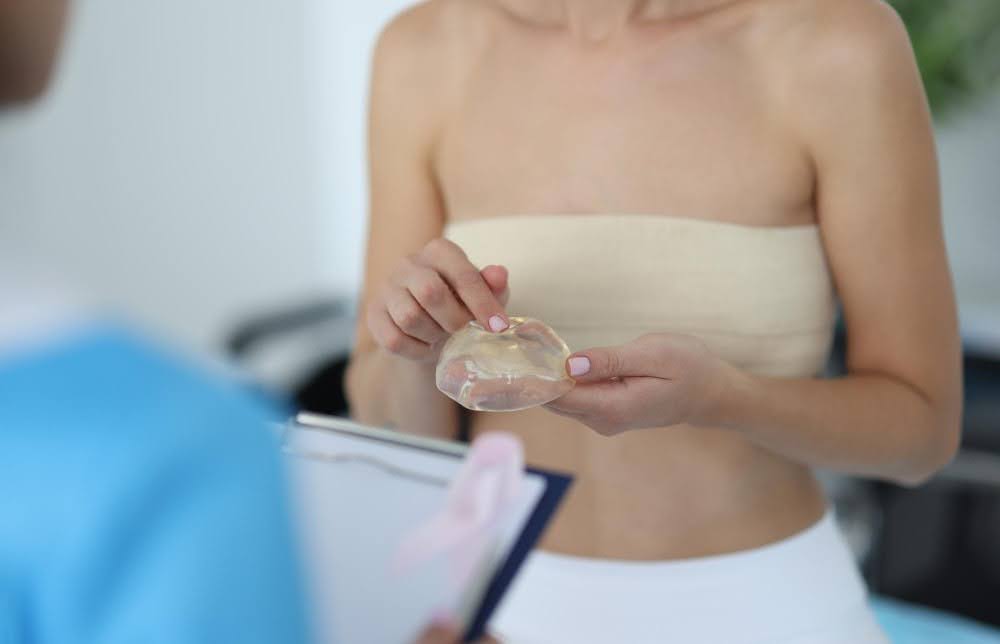
Revision breast augmentation surgery fixes or improves the results of an earlier breast augmentation. This might mean changing implants, taking them out, moving them, or reshaping the tissue around them. The main goal is to fix issues that appeared after your first surgery. Or, it can update your results to better match what you want now.
Revision surgeries are different from getting implants for the first time. Things like old scar tissue, the state of your current implants, and changes in your breast shape all play a part in the surgical plan. A detailed consultation with your doctor is always the first step.
What are the Reasons Patients Seek Breast Augmentation Revision?
1. Capsular Contracture
Your body naturally forms scar tissue around every implant. But for some people, this tissue tightens and squeezes the implant. This can cause firmness, a strange shape, and pain. Capsular contracture is one of the most common reasons people need revision breast augmentation surgery. The surgery removes the hard tissue and replaces the implant. This helps bring back a soft, natural feel.
2. Implant Rupture or Leakage
Implants can break open (rupture) because they get old, get hurt, or simply wear out over time. If a saline implant ruptures, it will deflate quickly, and you will see it. A silicone implant might leak without clear signs. This is the reason why the FDA suggests regular scans to check for a silent rupture. Revision breast augmentation surgery takes out the broken implant and puts in a new one.
3. Implant Malposition
Implants can shift out of their original position over time. They may drop too low, ride too high, sit too far apart, or drift toward the center. This affects symmetry and the overall look of the breast. Revision surgery repositions the implants and often tightens surrounding tissue to keep them in place.
4. Size or Shape Change
Patient preferences change. Some want larger implants; others prefer a smaller or more natural profile. Lifestyle shifts, increased athletic activity, and changes in body image all play a role in that decision. Revision surgery lets patients choose a size and shape that fits where they are now.
5. Rippling or Visible Implant Edges
When breast tissue is thin, implant edges or folds can show through the skin. This is more common with saline implants and in patients with less natural coverage. Switching implant types or adjusting placement depth can reduce this issue significantly.
6. Sagging After Pregnancy or Weight Loss
Pregnancy, breastfeeding, and significant weight changes stretch breast tissue. The implant may hold position while the surrounding skin and tissue sag, creating an uneven look. Many patients combine revision with a breast lift to address both concerns at once.
7. Aging Implants
Implants may need replacement even when no specific problem is present. Most manufacturers and surgeons recommend evaluating implants after ten to fifteen years. Proactive replacement reduces the risk of future complications.
Signs It May Be Time to Consider Revision
Patients typically notice one or more of the following before scheduling an evaluation:
| Sign | What It May Indicate |
| Firmness or hardening | Capsular contracture |
| Sudden change in size or shape | Implant rupture or leakage |
| Visible rippling under the skin | Thin tissue or saline implant |
| Uneven breast position | Implant malposition |
| Ongoing pain or discomfort | Contracture or positioning issues |
| Drooping breast tissue | Skin stretching over time |
If you notice any of these signs, you should get checked right away. Finding the problem early usually means an easier fix.
What Happens During the Procedure?
Revision breast augmentation surgery is performed under general anesthesia. The length of the procedure depends on what needs to be corrected. A straightforward implant exchange takes less time than a case involving scar tissue removal or a combined lift.
When possible, the surgeon uses the existing incision site to avoid additional scarring. The old implant is removed, surrounding tissue is treated as needed, and the new implant is placed. Incisions are closed carefully to support healing.
Breast Augmentation Revision Surgery Recovery
Recovery from revision surgery follows a path similar to the original augmentation, though it varies based on the scope of work performed. Most patients return to light activity within a week and resume normal routines over the following weeks.
| Time Frame | What to Expect |
| First 48 hours | Rest, mild soreness, swelling |
| Week 1 | Light walking, reduced discomfort |
| Weeks 2 to 4 | Return to most daily activities |
| Weeks 4 to 6 | Gradual return to exercise |
| 3 months and beyond | Final results settle in |
Patients wear a support garment during the healing period. Following post-surgery instructions closely reduces the risk of complications and supports a smooth breast augmentation revision surgery recovery. Heavy lifting and intense exercise should wait until the surgical team gives clearance.
What is the Cost of Breast Augmentation Revision Surgery?
At the Gallery of cosmetic Surgery the breast augmentation revision surgery cost starts at $5,995. This price includes the surgeon’s fees, anesthesia cost, facility cost, post surgical garment cost and taxes. However the price can change as breast augmentation surgery highly depends upon a person’s anatomy, aesthetic goals and the type of implant they choose.
The clinic will provide a finalized quote after the surgeon will thoroughly examine you and make a surgical plan. Also, financing options are also available with the clinic for patients to explore.
Why choose The Gallery of Cosmetic Surgery?
Revision surgery is more complex than a first augmentation. Patients searching for breast augmentation revision surgery near me should look for a board-certified surgeon with a documented record in revision procedures, not just primary augmentations.
Key qualities to look for include:
- Experience handling complex or staged revision cases
- Clear before-and-after documentation
- Direct communication about realistic outcomes
- Strong aftercare protocols
- Patients have the choice to select any one of the best board certified surgeons: Dr. Craig Jonov & Dr. Rajasekhar Nalluri
How Dr. Jonov and Dr. Nalluri Approach Revision Surgery?
Every revision case at The Gallery of Cosmetic Surgery begins with a thorough physical exam and an honest conversation about what the patient wants to change. Dr. Jonov or Dr. Nalluri would review the patient’s full surgical history, assess the current implants, and may order imaging to check for rupture or scar tissue buildup.
From these reviews, a surgical plan is made according to the patient’s goal and aesthetic requirements. These plans may include:
- Replacing implants with a different size or type
- Removing scar tissue caused by capsular contracture
- Repositioning implants for better symmetry
- Switching between saline and silicone
- Adding a breast lift for sagging tissue
- Removing implants entirely for patients who prefer that outcome
Patients receive direct guidance on what surgery can and cannot achieve, with no overpromising.
Not Happy with your previous Results? Look No further
If you are not happy with your current implant or if facing any issues, The Gallery of Cosmetic Surgery provides one of the best breast augmentation revision surgery in Kirkland for patients living in the city and nearby areas.
To discuss specific concerns, review the available options, and receive a personalized plan, schedule a consultation today. Call The Gallery of Cosmetic Surgery to book an appointment.
FAQs
How long do breast implants last?
Most implants last ten to fifteen years, though some remain stable longer. Routine checkups help monitor their condition.
Is revision surgery more painful than the original augmentation?
Most patients report similar levels of discomfort. Pain levels depend on the type and extent of correction performed.
Can implants be removed without replacement?
Yes. Some patients choose removal only, with or without a lift to restore breast shape.
Will insurance cover revision surgery?
Cosmetic revision is generally not covered by insurance. Cases tied to specific medical conditions may qualify in some situations, so patients should check with their insurance provider directly.
How soon after the first surgery can revision be done?
Timing depends on the reason for revision. Some issues require prompt attention, while elective changes should wait until full healing is confirmed.
